How Are System Doors and Windows Influencing Modern Architectural Design?
 2025-08-21
In contemporary architecture, the role of doors and windows has evolved far beyond their basic functions of access, light, and ventilation. With the emergence of system doors and windows, these elements are now integral components of architectural strategy, influencing both the technical and aesthetic direction of building design.
1. Redefining Building Aesthetics
System doors and windows offer designers the ability to achieve cleaner lines, larger spans of glass, and more cohesive façades. Their standardized modules and refined profiles allow for uniformity across a project, while still providing flexibility in size, form, and configuration. This gives architects greater freedom to create distinctive exteriors without compromising overall harmony.
2. Enhancing Spatial Experience
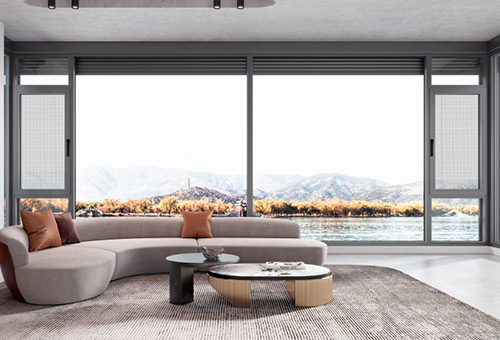
Inside the building, system doors and windows shape the way occupants experience space. Floor-to-ceiling glazing, wide sliding systems, or seamlessly integrated openings can extend interior spaces outward, creating a stronger connection between indoor and outdoor environments. Such design choices redefine how people interact with light, views, and circulation.
3. Functional Integration
Modern system solutions are not only about appearance but also about integration. Frames, seals, and hardware are engineered as a single unit, ensuring consistent performance across the building. This coordinated design approach helps balance multiple factors such as insulation, sound control, and durability, providing architects with reliable solutions during the planning stage.
4. Supporting Flexibility in Architecture
Flexibility is a defining characteristic of modern design, and system doors and windows play a central role. Modular systems allow for diverse combinations—sliding, folding, pivoting, or fixed—giving architects tools to adapt layouts to different functions, whether residential, commercial, or public.
5. Streamlining the Construction Process
Another significant influence is efficiency in construction. Because system doors and windows are designed as integrated units, installation becomes more predictable, reducing the risk of mismatched components. This standardization not only saves time on-site but also helps maintain consistent quality across projects.

 +86 15995260370
 Back to List