Is Your Building Utilizing the Full Potential of Its Openings?
 2025-08-21
When discussing building performance, people often focus on materials, structural stability, or design aesthetics. However, one key aspect that directly influences comfort, functionality, and efficiency is often overlooked—openings. Openings, including doors, windows, skylights, and ventilation points, serve far more purposes than simple access or daylight entry. The way they are selected, positioned, and managed can determine how well a building adapts to its intended use.
Openings as Functional Connectors
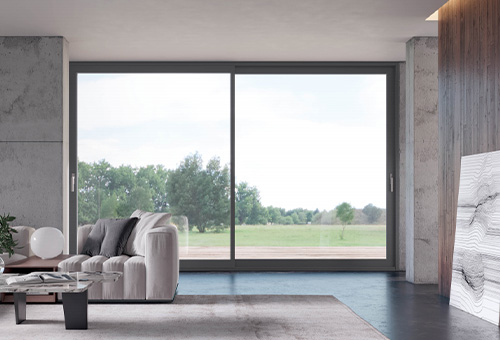
Openings act as connectors between interior and exterior spaces. The placement of a window can determine not only the amount of natural light a room receives but also how occupants interact with their surroundings. Similarly, well-designed door systems can improve circulation and create smoother transitions between areas. Beyond appearance, their true value lies in shaping the experience of a space.
Enhancing Comfort and Usability
Ventilation is another crucial function. Properly designed openings support airflow, reducing stuffiness and helping maintain indoor comfort. Skylights and clerestory windows can also introduce balanced daylight to reduce dependence on artificial lighting during the day. Together, these elements contribute to environments that feel more natural and usable.
Supporting Flexibility in Design
Architects and builders who consider openings as part of a broader strategy unlock opportunities for flexibility. A large sliding door, for instance, can transform a private room into a semi-open gathering area. Adjustable louvered windows can allow occupants to regulate privacy and airflow with ease. These small but thoughtful decisions often have a lasting impact on how the space performs over time.
Maximizing Potential Through Integration
To fully leverage the potential of openings, it is essential to view them as integral design elements rather than finishing touches. This means coordinating their placement with structural plans, aligning them with natural site conditions, and selecting materials and hardware that suit the building’s purpose. Integration at the planning stage often prevents future inefficiencies while adding lasting value to the space.
Conclusion
Openings are more than architectural details; they are opportunities to shape light, air, circulation, and adaptability. A building that makes thoughtful use of its doors, windows, and skylights can deliver a stronger balance between functionality and user experience. The question, then, is not whether your building has openings—it is whether those openings are being used to their full potential.

 +86 15995260370
 Back to List